Table of Contents
How to Turn Browsers into Buyers: The Ultimate Guide to Conversion Funnel Optimization (With Real Strategies That Work)
If you’re driving traffic to your website but not seeing the sales, leads, or signups you expect, it might not be a traffic problem it’s likely a conversion funnel problem.
Successful businesses don’t just attract visitors they guide them smoothly through a journey that ultimately leads to action.
That journey is called the conversion funnel, and optimizing it is one of the most effective ways to boost revenue without just spending more on ads.
In this post, you’ll learn what conversion funnel optimization really means, why it’s critical, proven strategies marketers use, the key metrics to track, and how hosting with HarmonWeb can directly boost your funnel performance.
What Is Conversion Funnel Optimization?
To explain this in a layman understanding , the Word conversion funnel represents the path a user takes from their first interaction with your brand to the moment they complete your most important action whether that’s making a purchase, requesting a demo, or signing up for a newsletter.
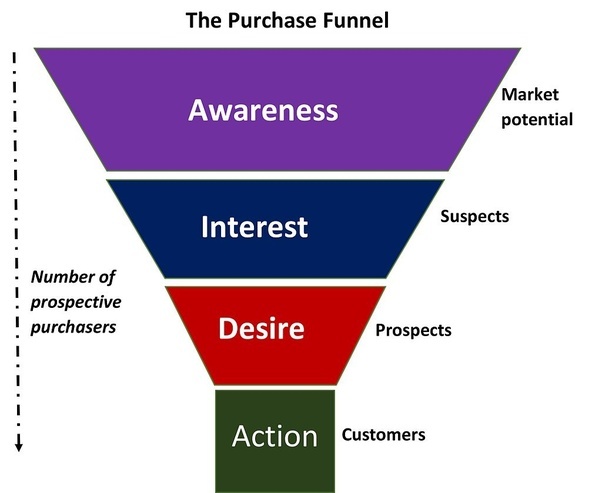
In ecommerce or SaaS, for example, the stages might look like:
- Awareness: Someone discovers your content or product
- Interest: They explore your offerings
- Consideration: They compare options or read reviews
- Decision: They convert
- Post-Purchase: They become loyal customers and advocates
Optimization means trimming friction at every stage so more visitors complete the next step not just bounce away.
Using MCP ? Here’s How to Build an Autonomous AI Personal Assistant in n8n
Why Funnel Optimization Is Important in Conversion Funnel
Here are some real, measurable benefits of optimizing your funnel:
- More conversions without increasing traffic. Small UX improvements and messaging tweaks often yield big liftsin conversion rates.
- Better ROI on marketing spend. Your paid ads, email campaigns, and content marketing work harder because users are more likely to act.
- Higher customer lifetime value (CLV). Happy customers tend to come back and refer others.
Conversion Funnel Analysis Example
Imagine you run a SaaS company that offers project management software and you’ve just launched a new marketing campaign.
Here’s a simple, real-world example of what a Conversion Funnel Analysis might look like.
During the first week of the campaign:
- 200 people signed up for a free trial.
- Out of those, 120 users actually activated their accounts, while 80 dropped off before completing activation.
Looking deeper into the activated users:
- Only 40 users upgraded to the premium plan after trying the product.
From this, you can pull out a few key insights:
- 200 users started the trial.
- 60% of them (120 users) made it to activation.
- 33.3% of activated users moved on to become paying customers.
- In simple terms: for every 100 free-trial signups, the company ends up with around 20 paying customers, which equals a 10% trial-to-paid conversion rate.

This analysis makes it clear where improvements can be made. The company could focus on strengthening the activation flow to reduce early drop-offs or improving the value proposition, onboarding experience, or pricing to encourage more activated users to upgrade.
Understanding these numbers helps a SaaS business fine-tune its strategy, improve conversions at every stage, and get much more out of each marketing campaign.
Why Product Reviews Are Essential for Online Sales
The Stages of Conversion Funnel & What to Optimize at Each
1. Top of Funnel (TOFU): Awareness
This stage is about discovery — attracting targeted users who might be interested in what you offer.
What helps here:
- SEO-optimized blog posts and landing pages
- Social media campaigns
- Lead magnets like ebooks or webinars
At this stage, content should inform and educate, helping users understand why your solution matters.
2. Middle of Funnel (MOFU): Interest & Consideration
Now users know you exist — they’re comparing options and evaluating your brand.
These elements help users feel confident and move them toward a purchase.
Optimization tactics:
- Offer educational content like case studies or video demos
- Use targeted email nurturing sequences
- Add social proof (reviews, testimonials, trust badges)
- Offer product comparisons or detailed feature breakdowns
3. Bottom of Funnel (BOFU): Decision & Conversion
This is where users decide to act. Any friction here directly affects your conversion rate, and that’s where Running ads without seeing Results comes in,
In addition to this note that A seamless BOFU experience significantly increases the chances that users will convert.
However in this case here is pro active strategies to take to get a better results.
Pro strategies at this stage:
- Reduce checkout friction (guest checkout, fewer form fields)
- Offer multiple payment methods
- Add urgency like (“limited time offer”)
- Recover abandoned carts with email reminders
4. Post-Purchase: Retention & Advocacy
The journey shouldn’t end at product purchase , in fact, retention and loyalty often bring the best long-term revenue.
look for ways to keep ur customers close to you, because the more communicative you are to them, helps reminding them of your products and thereby resulting in another potential purchase again. below is few ways to keep them to yourself.
Post-purchase optimization includes:
- Personalized thank-you emails; this makes customers feel appreciated and valued in supporting your business.
- Exclusive offers for return customers, can also increase sales, look for something that’s worth giving no matter how little it is. Most especially SLASHING OFFERS OF YOUR PRICES
- Encouraging reviews and referrals is another result driven ways. Especially when you send the reviews to new customers, it boosts their confidence and wants to give it a try.
- Loyalty programs to boost repeat purchases
Metrics You Must Track
Optimization without data is guesswork. Here are the key metrics marketers focus on:
Engagement Metrics
- Time on page
- Scroll depth
- Micro-conversions (like email signups)
These tell you whether users engage with your content.
Conversion Metrics
- Overall conversion rate
- Form completion rate
- Checkout completion rate
Even a 1% lift here can dramatically increase revenue.
Retention Metrics
- Customer lifetime value (CLV)
- Repeat purchase rate
- Churn rate
Retaining customers often costs less than acquiring new ones.
Advocacy Metrics
- Referrals
- Reviews
- Net Promoter Score (NPS)
Happy customers who recommend you are one of the highest ROI channels available.
Tools and Techniques That Work
A/B Testing
A/B testing different headlines, CTAs, page layouts, and forms lets you see what performs instead of guessing. Test one variable at a time to isolate what drives conversions.
Heatmaps & Session Recording
Tools like Hotjar or Lucky Orange help you visualize where users click, scroll, or abandon. These insights reveal friction points you can fix quickly.
Behavioral Targeting & Retargeting
Not all visitors convert on their first visit. Retargeting campaigns bring them back with relevant messages after they leave your site, boosting return visits and conversions.
AI-Driven Personalization
Next-generation tools now use AI to tailor content, CTAs, and experiences in real time — making user journeys feel more individualized and relevant.
Why Hosting & Performance Matter for Your Funnel
You can’t optimize your funnel if your website is slow or unstable — users will bounce before they even see your content.
That’s where HarmonWeb hosting makes a real impact:
Fast Load Times
HarmonWeb uses NVMe SSD storage and LiteSpeed servers to deliver lightning-fast page loads. Fast sites keep users engaged longer and its a key factor for conversion. Slow pages kill conversions before they start.
High Uptime Reliability
Downtime interrupts your funnel, meaning lost leads and lost revenue. HarmonWeb offers industry-class uptime so users always find your site ready when they arrive.
Security & Trust
Security features like free SSL certificates protect user data and boost trust — an important signal that reassures visitors and encourages conversions.
Scalability
Whether you’re a small startup or a growing ecommerce store, HarmonWeb scales with you, ensuring your funnel never slows down under traffic surges.
Easy Site Management
1-click installers, intuitive control panels, and proactive support make maintaining your site easier — letting you focus on optimization, not technical issues.
Summary of Funnel Optimization You need to know
Conversion funnel optimization isn’t a one-time checklist it’s an ongoing process of learning, testing, measuring, and improving.
User behaviors shift, trends evolve, and your funnel should evolve with them. Embrace data, experiment often, and refine regularly and you’ll see real lifts in conversions over time.
Whether you’re just starting your journey or looking to take your conversion rates to new heights, this guide gives you the roadmap you need with real techniques that work and a hosting partner like HarmonWeb to support your success.